When people think about magic, they often imagine:
-
Las Vegas illusion shows
-
playing cards
-
modern mentalism
-
flashy stage productions
But long before modern magic became commercial entertainment, China already had a deep tradition of visual mystery, folk illusion, and theatrical deception.
And unlike many Western magic effects that focus on speed or shock…
Traditional Chinese magic often emphasizes:
-
rhythm
-
symbolism
-
visual poetry
-
impossible movement
That’s what makes Chinese magic props feel so different.
They don’t just create surprise.
They create atmosphere.
Chinese Folk Magic Is Built Around Movement
Western magic often focuses on:
“Where did the object go?”
Chinese folk magic often focuses on:
“Why is this object alive?”
This subtle difference changes the emotional experience completely.
Instead of a sudden puzzle, the audience experiences a slow unfolding mystery.
That’s why classic Chinese props can feel strangely hypnotic.
The Mystery of Autonomous Motion
One of the strongest themes in traditional Chinese stage magic is impossible movement.
Objects:
-
move by themselves
-
respond mysteriously
-
appear animated
-
behave unnaturally
And few props represent this better than the Mystic Climbing Doll.
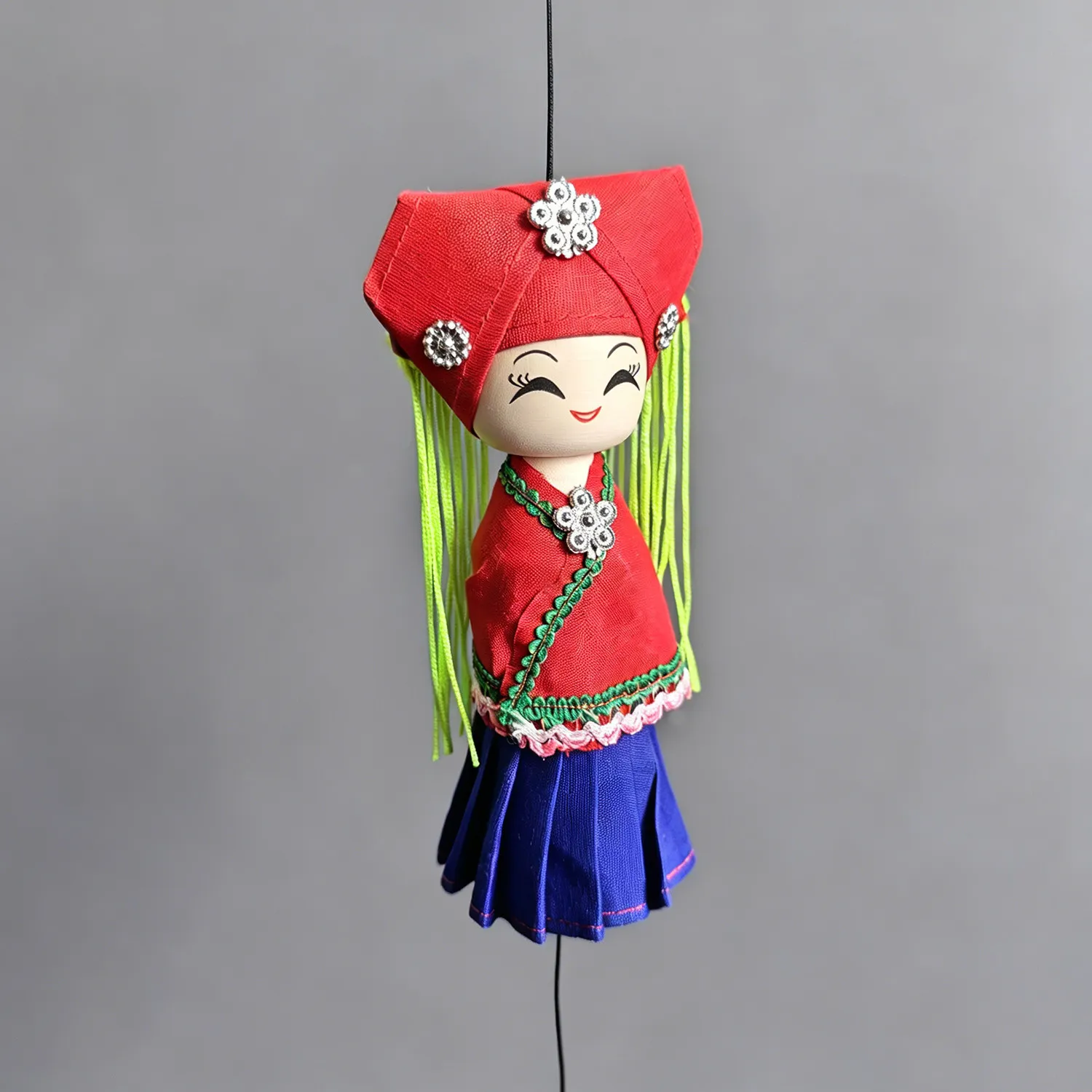
A Doll That Climbs Without Touch
The effect is deceptively simple.
A traditional Chinese-style doll is attached between two ends of a string.
The magician never touches the doll directly.
Yet somehow:
-
it climbs upward
-
descends smoothly
-
stops instantly
-
reverses direction
The movement feels strangely alive.
And because the effect unfolds gradually, the audience has time to fully absorb the impossibility.
Why This Feels Different from Modern Magic
Modern magic often attacks the audience quickly:
-
visual flash
-
sudden reveal
-
instant surprise
The Mystic Climbing Doll works differently.
It builds tension through:
-
controlled pacing
-
repeated impossible motion
-
rhythmic visual patterns
This creates a more theatrical experience.
Almost like watching a puppet controlled by invisible spirits.
Chinese Magic and the Art of Transformation
Traditional Chinese stage magic also places enormous importance on transformation and abundance.
Objects:
-
multiply
-
reappear endlessly
-
defy natural limitations
This philosophy appears strongly in one of the most famous classical props ever created:
the Foo Can.
Why the Foo Can Became a Magic Classic
The Foo Can is one of those rare props that survived generations because the effect is universally understood.
A container is emptied.
Then more liquid appears.
Again.
And again.
The audience understands the impossibility immediately.
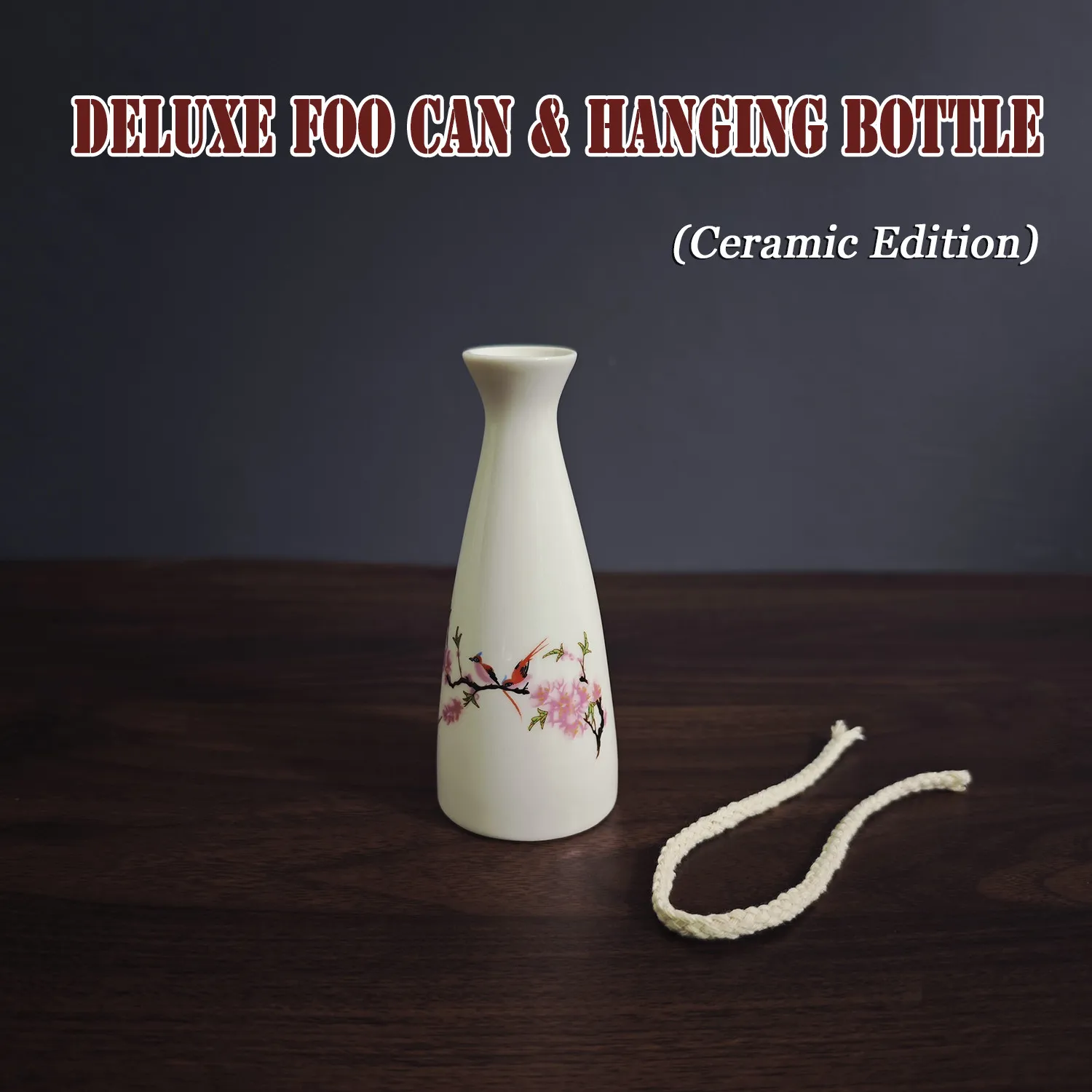
Deluxe Foo Can & Hanging Bottle – A Traditional Effect with a Stronger Finale
The ceramic version elevates the classic presentation dramatically.
Instead of looking like a simple prop, it resembles:
-
cultural pottery
-
ceremonial equipment
-
traditional stage apparatus
That visual authenticity matters.
Because elegant props naturally increase perceived impossibility.
The Rope Suspension Finale Changes Everything
Most Foo Can routines end after the liquid production.
But adding the hanging rope sequence transforms the effect into something larger.
The magician inserts a rope into the can.
The rope hangs impossibly inside.
Then suddenly—
The entire can suspends in mid-air.
This progression is important because the routine evolves:
-
production
-
impossibility
-
levitation
The audience keeps adjusting their assumptions, only to lose them again.
Comedy and Chaos in Chinese Stage Magic
Not all Chinese magic is mysterious.
Some of it is playful, rhythmic, and intentionally absurd.
That’s where props like the Crystal Pom Pom Wand shine.
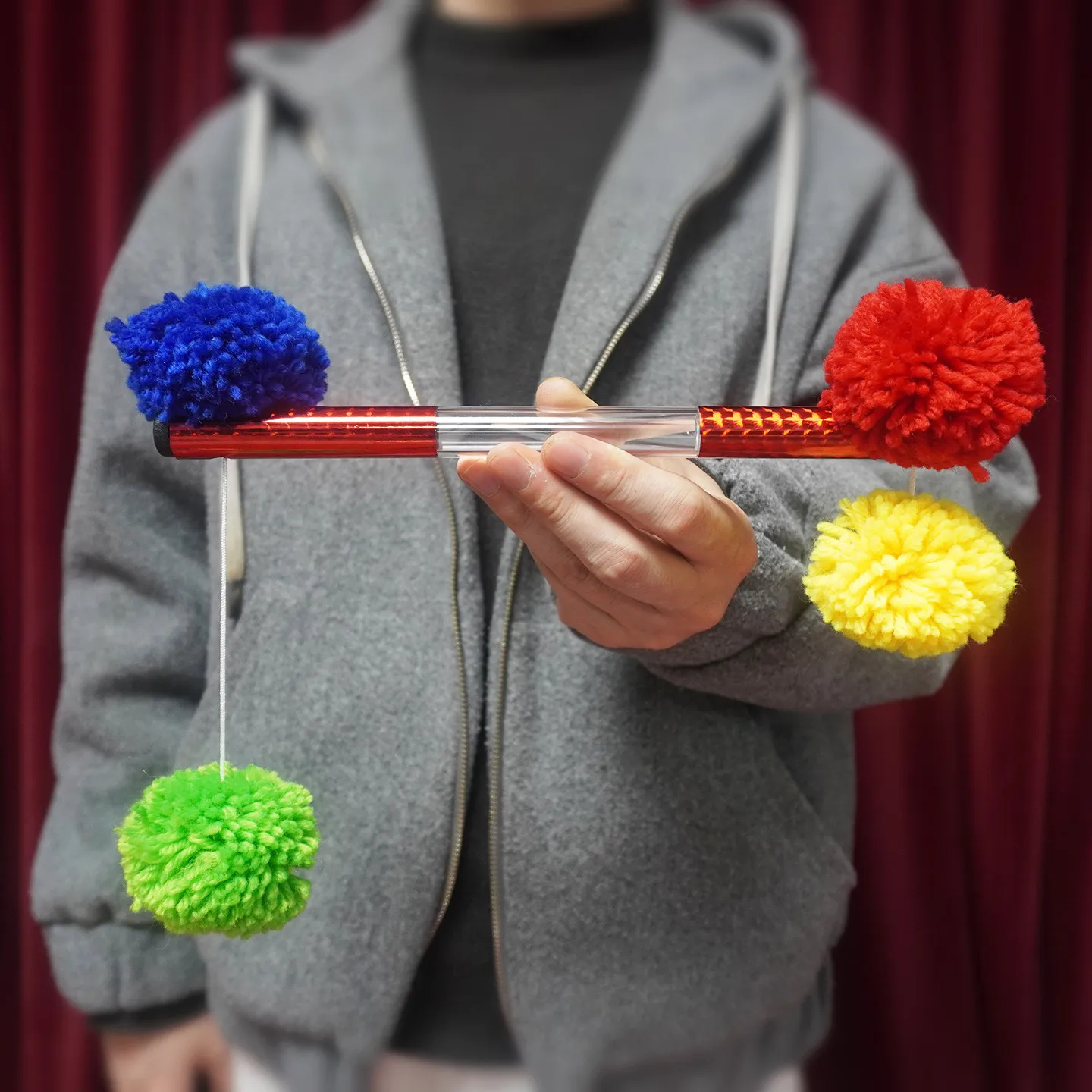
Why Pom Pom Magic Still Works
At first glance, the effect seems childish.
A wand with colorful pom poms attached by strings.
But then the impossible connections begin:
-
one pom pom rises
-
another responds
-
movement spreads mysteriously
The audience quickly realizes:
the logic makes no sense.
And that confusion creates laughter.
The Transparent Design Makes the Effect Stronger
Older pom pom wands often looked suspicious because the body was opaque.
The transparent center changes the psychology completely.
The audience instinctively thinks:
“If I can see through it, there can’t be anything hidden.”
That assumption strengthens the illusion enormously.
Why Traditional Chinese Magic Still Feels Fresh
Ironically, many old Chinese magic principles feel more original today than modern tricks.
Why?
Because audiences are overloaded with:
-
fast edits
-
visual effects
-
digital tricks
Traditional props slow the experience down.
They create:
-
suspense
-
texture
-
atmosphere
And that makes them memorable.
The Emotional Difference Between Modern and Traditional Magic
Modern magic often asks:
“Can I fool you?”
Traditional Chinese magic asks:
“Can I pull you into another world for a moment?”
That difference is subtle.
But powerful.
Final Thought
Chinese folk magic is more than a collection of tricks.
It is performance culture:
-
movement
-
symbolism
-
rhythm
-
theatrical mystery
Props like the Mystic Climbing Doll, Foo Can, and Crystal Pom Pom Wand survive not because they are modern—
But because they create something timeless:
Wonder.
And no matter how advanced technology becomes, audiences will always respond to that feeling.